UA
 RU
 EN
 Meta
Webinars & education
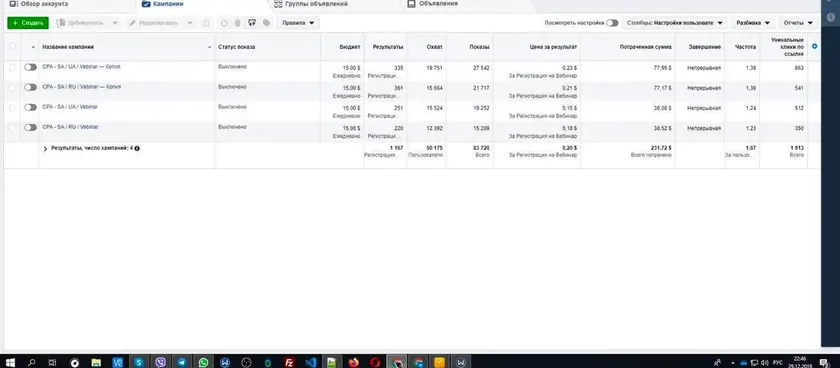
Pastry school webinar
A specific dessert and skill instead of a generic promise of training — $0.56 per registration.
$2,500Read→
Main contractor for paid traffic and for building the launch infrastructure.
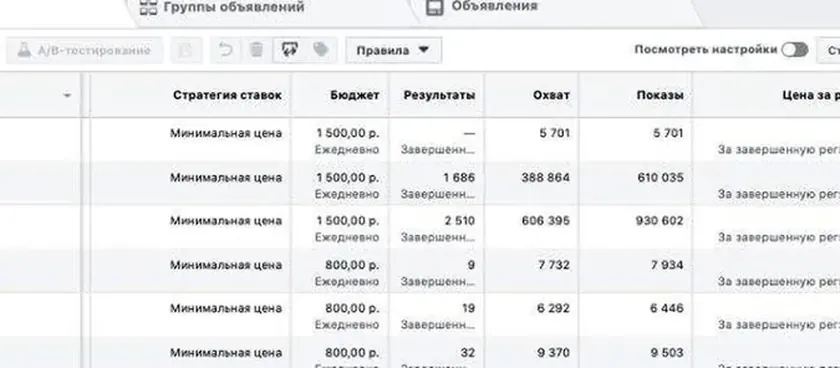
Cost per result = total budget ÷ number of results.
The project was promoting eight products and cross-events at the same time. The landing pages and funnel logic needed rework, outside traffic came from several contractors with no unified control, and a flow of up to 200 leads a day across four products wasn’t delivering the payback speed needed.
We broke the portfolio into product branches and set single definitions for a lead, a registration, a participant and a payment. We reworked the landing pages and rewrote the offers for each product’s specific audience. We put together an audience brief template and video requirements so creatives were made for a hypothesis, not the team’s taste. We separated work chats, campaigns and reporting by product while keeping a shared management loop. Funnels were scaled only after reconciling registrations, first-day attendance and payments.
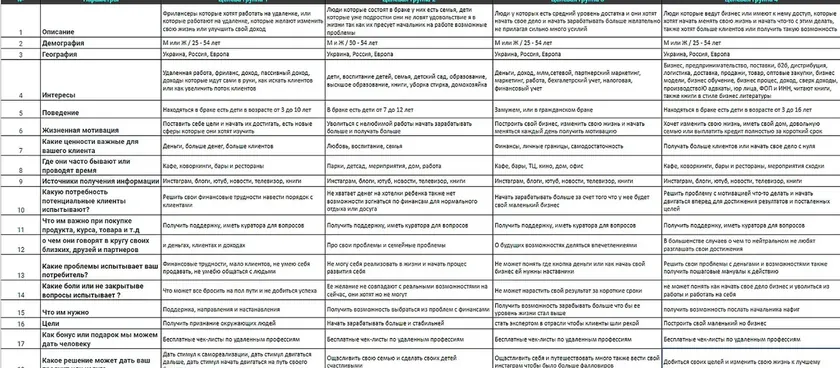
The creative factory worked from a motive map: the audience’s problem, the promise of a specific skill, proof of the expert’s competence and a simple next step. The video brief fixed the first three seconds, the key message, the demonstration of results and the CTA. This made it possible to scale not one banner but a repeatable system of variations.
Budget was reallocated between products based on the full lead journey. A cheap registration didn’t count as a win if attendance or sales dropped. For higher-volume products, we introduced a separate creative refresh loop and capped the share of budget going to unconfirmed hypotheses.
Data check. Figures are taken from the summary slide of the original PDF. The source doesn’t state the aggregation period, so the document doesn’t convert them into a daily pace.
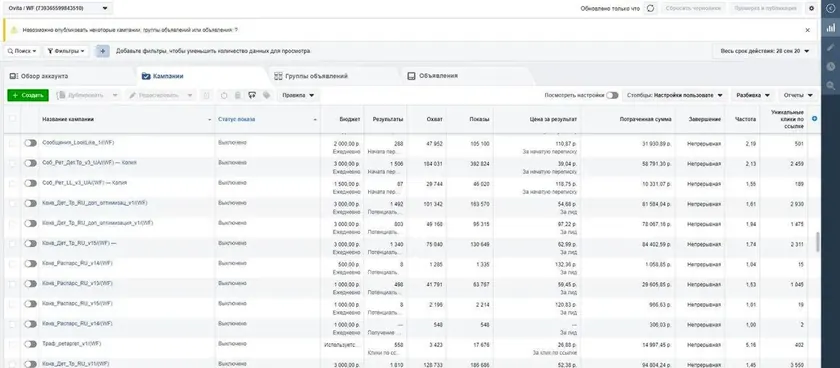
The case shows managing an education portfolio, not a single ad campaign: a $50,254 budget, 30,124 registrations at $1.67 and positive economics at the payment level. The main asset is a unified system of product, traffic, creative and analytics.
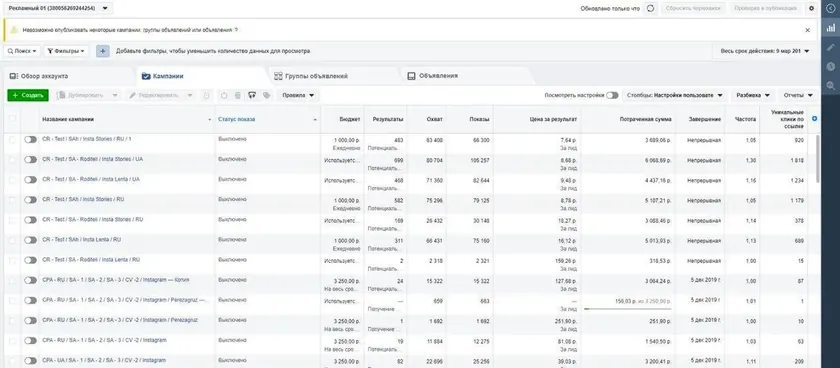
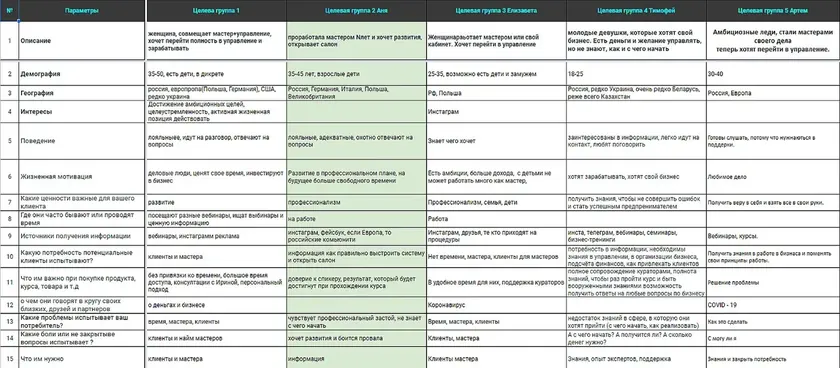
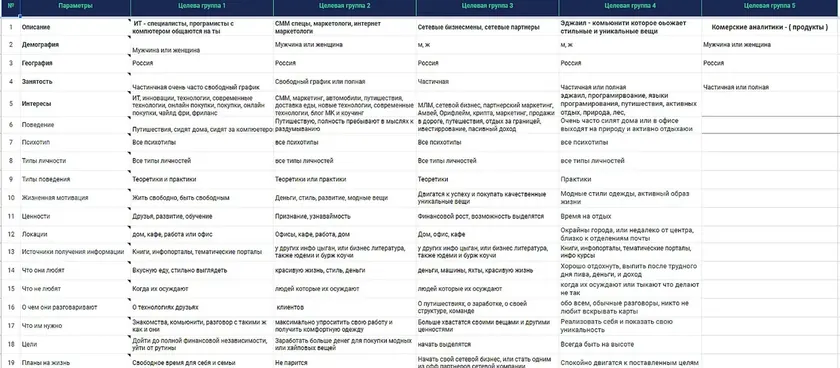
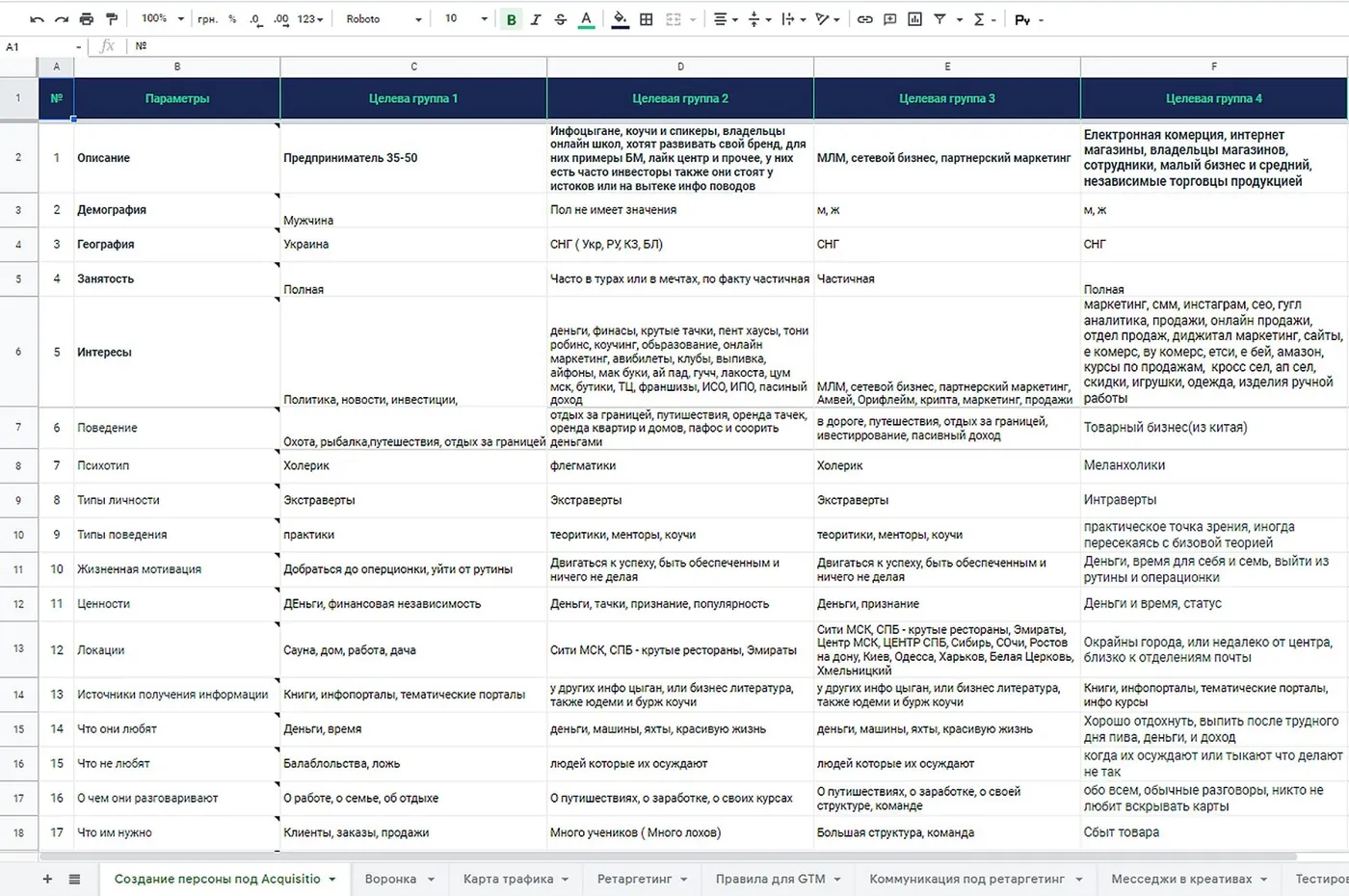
The case materials include target audience segmentation, the ad funnel structure, team communication, traffic architecture and ad campaign results. The data and materials were used to reconstruct the launch strategy and confirm the figures cited in the case.
We’ll review your ads, show you where you can grow and give you a launch plan — free of charge.